
Finding the best wireless earbuds under 50 dollars is less about finding one model that suits everyone and more about choosing the right balance of sound, fit, battery life, call quality, and reliability. At this price, you can find capable everyday earbuds, but you should not assume that a low-cost pair will match premium noise cancellation, microphone performance, or long-term support.
This guide explains what “under $50” means in practice, how to compare options, and which features deserve attention before you buy. It uses a feature-based comparison method rather than claiming independent lab tests or personal listening results. Product prices and availability change, so treat the models below as candidates to check against the current price, return policy, and specifications in your region.
What “best wireless earbuds under $50” means
Wireless earbuds are small earphones that connect to a source device, usually a phone, tablet, or computer, over Bluetooth. Most true wireless models have two separate earbuds and a charging case. For this guide, “under $50” means the current checkout price for the earbuds is below 50 US dollars before tax, shipping, or optional protection plans. A model qualifies only when its regular or current sale price falls within that limit; prices can move above or below it.
“Best” is a use-dependent judgment, not a universal measurement. A good choice for commuting may prioritize a secure fit and isolation, while someone taking frequent calls may care more about microphone behavior in noisy places. The models in this article are examples to compare, not a ranked test result.
How this guide compares earbuds

The comparison method is to check manufacturers’ published feature and compatibility information, then assess the practical trade-offs those features imply. Useful primary sources include the official product pages and support materials from Soundcore, JLab, and JBL. Specifications such as Bluetooth support, app features, water-resistance ratings, and stated battery life can differ by model and market. Confirm them on the exact regional listing before purchase.
Manufacturer battery figures are usually measured under specified conditions, such as a particular volume level and feature configuration. They are not a guarantee of the runtime you will get. This guide does not claim to have conducted controlled audio, microphone, durability, or battery tests. For independent measurements, consult a review outlet that explains its test setup and identifies the exact product version tested.
Models worth comparing
These are recognizable budget lines to investigate when their current price is below your limit. Confirm the model name carefully: product generations and similarly named variants can have different features.
Soundcore P20i or A20i
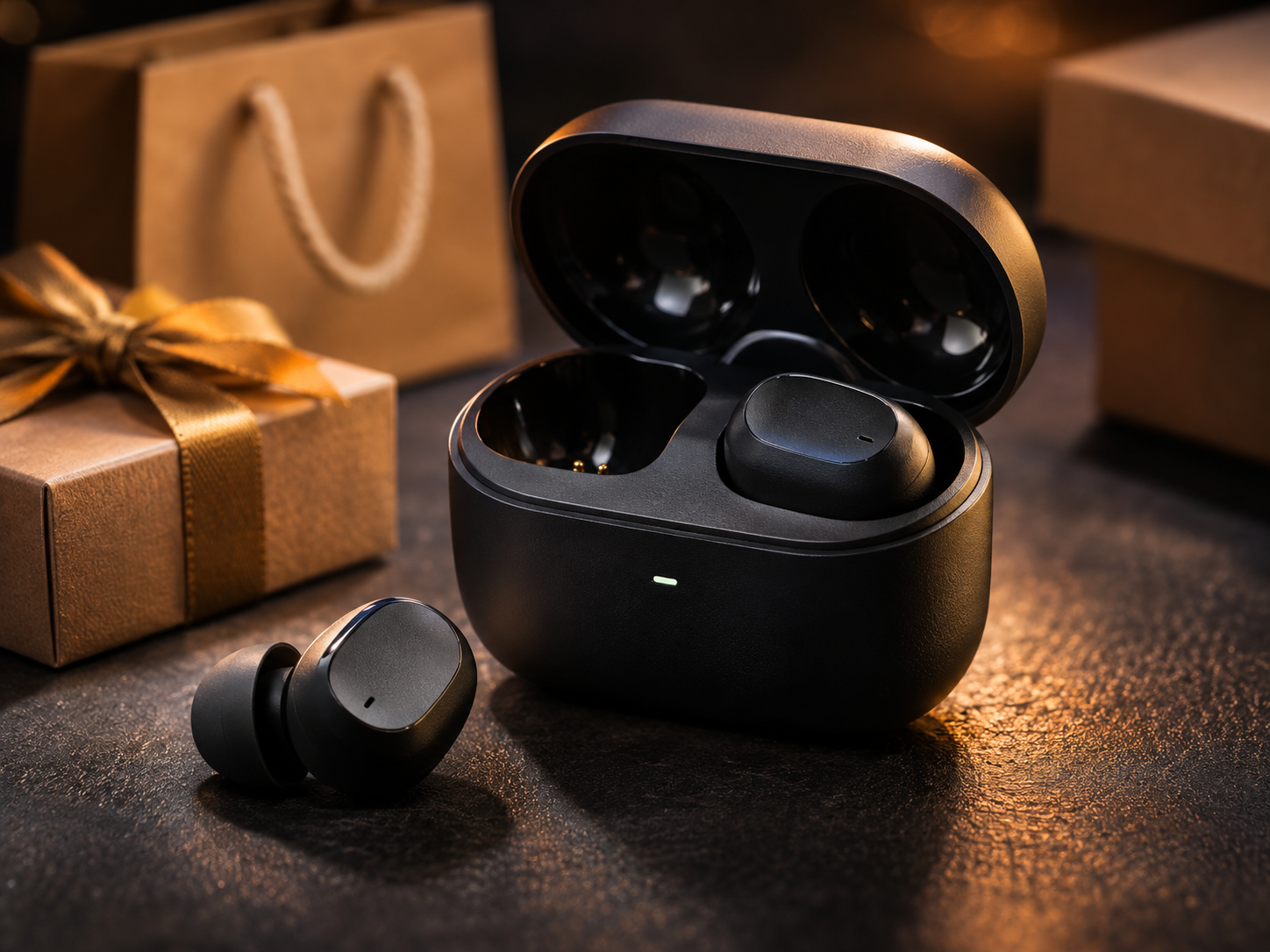
Soundcore’s entry-level true wireless options are worth checking if you want a compact case and app-based controls or sound adjustments on a compatible model. Compare the exact version’s listed features, including whether it supports the app functions you value. The trade-off at this price is that app customization does not guarantee that the default sound will suit you, and fit remains personal. Look for a seller with a return window if you are unsure about the ear tips.
JLab GO Air POP or GO Air POP+
JLab’s GO Air POP family is a budget option to compare when you want a simple everyday pair and a choice of preset sound modes on the listed model. Do not assume that the original and “+” versions have identical controls, connectivity, or battery specifications. Check the manufacturer page for the specific version and your region. A low price can make these attractive for casual listening, but verify whether their fit, case design, and call features meet your needs.
JBL Vibe Buds or Vibe Beam
JBL’s Vibe models are another line to consider if you prefer a familiar audio brand and want to compare different earbud shapes. The Buds and Beam are not interchangeable product names; their designs and feature sets differ. Check whether the shape is an in-ear design that seals with silicone tips or a different fit style, and review the model-specific water-resistance and app information. Fit can affect comfort, isolation, and perceived bass, so specifications alone cannot settle the choice.
Other options from established budget brands
Depending on local availability, you may also find earbuds from brands such as EarFun or 1MORE within budget during a sale. Evaluate them using the same checklist rather than assuming a discount makes them a better value. Check the exact model’s official support page, warranty terms, replacement-tip availability, and return policy. Marketplace listings sometimes combine multiple variants under one page, so verify that the title, photos, and specification sheet refer to the same product.
Features that matter most
Fit and comfort
Fit is one of the most important factors and one that cannot be settled by a specification sheet. A good seal can improve passive noise isolation and bass response; a poor seal can make sound seem thin and may cause earbuds to loosen. Check whether multiple ear-tip sizes are included and whether replacements are easy to find. If you wear earbuds for long sessions, comfort and pressure matter more than a long list of app features.
Sound and controls
At this price, consider whether you can adjust the sound with an official app or choose from built-in presets. These tools may help tailor the listening experience, but they do not make every recording sound better. Also check how playback, calls, and volume are controlled. Touch controls can be convenient, but accidental taps are frustrating; physical buttons may be easier to operate but can press the earbud inward.
Battery and charging
Compare stated listening time per charge separately from the combined figure that includes the charging case. If you often forget to charge devices, case capacity and charging convenience may matter more than a small difference in an advertised total. Check the charging connector and whether wireless charging is supported; do not assume it is included at this price. Battery capacity declines over time, and tiny earbuds generally are not designed for user-replaceable batteries.
Calls, noise control, and water resistance
Microphone quality varies substantially, especially outdoors or near traffic. A listing that says “noise reduction” may refer to call processing rather than active noise cancellation for listening. Read the wording carefully and check independent reviews if call quality or noise cancellation is central to your purchase. Likewise, a water-resistance rating is not the same as being waterproof. Check what the manufacturer’s stated rating covers and avoid exposing the case or earbuds to conditions outside those instructions.
Practical steps for choosing a pair
- Set the real budget. Include tax, shipping, and any required adapter. Compare the final price, not only the crossed-out list price.
- Choose your main use. Decide whether music, calls, workouts, commuting, or occasional backup use matters most. This helps prevent paying attention to features you will not use.
- Confirm the exact model. Match the model name and generation on the seller listing to the manufacturer’s product page. Check that the claimed app, microphone, water-resistance, and charging features belong to that version.
- Check fit and returns. Review included tip sizes and the seller’s return conditions. Earbuds are personal-use products, and opened-item returns may be restricted.
- Compare total value. Consider warranty coverage, support, replacement accessories, and the cost of returning a defective or uncomfortable pair. A slightly cheaper listing may be a worse purchase if its seller or return terms are unclear.
- Test carefully after purchase. Follow the setup and cleaning instructions, try all included tips, and check calls and controls in ordinary conditions. Keep packaging and proof of purchase until you know the earbuds work as expected.
Neutral pros and cons of the under-$50 range
Advantages
- Many models provide Bluetooth playback, a charging case, and basic call controls at a modest cost.
- Several budget lines offer app controls or sound presets, though features vary by version.
- A lower purchase price can make sense for casual listening, travel backups, or situations where expensive earbuds could be lost or damaged.
- Frequent sales can bring models from established brands within the budget.
Limitations
- Microphone performance, active noise cancellation, and wind handling may be limited or absent.
- Advertised battery life may not match real use, and small batteries lose capacity with age.
- Fit and sound are subjective; a well-reviewed model can still be uncomfortable for a particular listener.
- Low-cost products may have shorter software support, limited repair options, or few replaceable parts. Check the warranty and support policy rather than assuming long-term service.
- Model names and regional specifications can be confusing, particularly when retailers group variants together.
Concise Q&A
Can earbuds under $50 sound good?
Yes. Some can provide enjoyable everyday sound, but preferences and fit differ. Reviews that identify the exact model and describe the test method are more useful than broad claims that one budget pair is best for everyone.
Is active noise cancellation available under $50?
Some discounted models may advertise it, but performance and availability vary. Confirm that the feature is active noise cancellation for listening, not only noise reduction for calls, and consult independent testing before relying on it for frequent travel.
Are these suitable for exercise?
They can be, if the fit is secure and the manufacturer’s water-resistance guidance covers your activity. Sweat and rain protection differ by model, and water resistance does not mean the earbuds can be submerged.
Should I choose the longest advertised battery life?
Not automatically. Compare per-charge runtime, case charging, your listening habits, and the conditions behind the manufacturer’s claim. Comfort and dependable fit may matter more than a small advertised difference.
Bottom line
The best wireless earbuds under 50 dollars are the ones that fit comfortably, meet your main use case, and come from a listing with clear model details and reasonable return terms. Start by comparing Soundcore P20i or A20i, JLab GO Air POP variants, and JBL Vibe models when their current prices fit your budget. Then verify the exact specifications and assess fit, calls, battery expectations, and support rather than buying on discount alone.
Disclaimer: Prices, product availability, and specifications can change by seller and region. This article is general shopping information, not a guarantee of performance or a substitute for checking the manufacturer’s current documentation and the seller’s terms. Use earbuds at a safe listening level and follow the product’s care and water-resistance instructions.