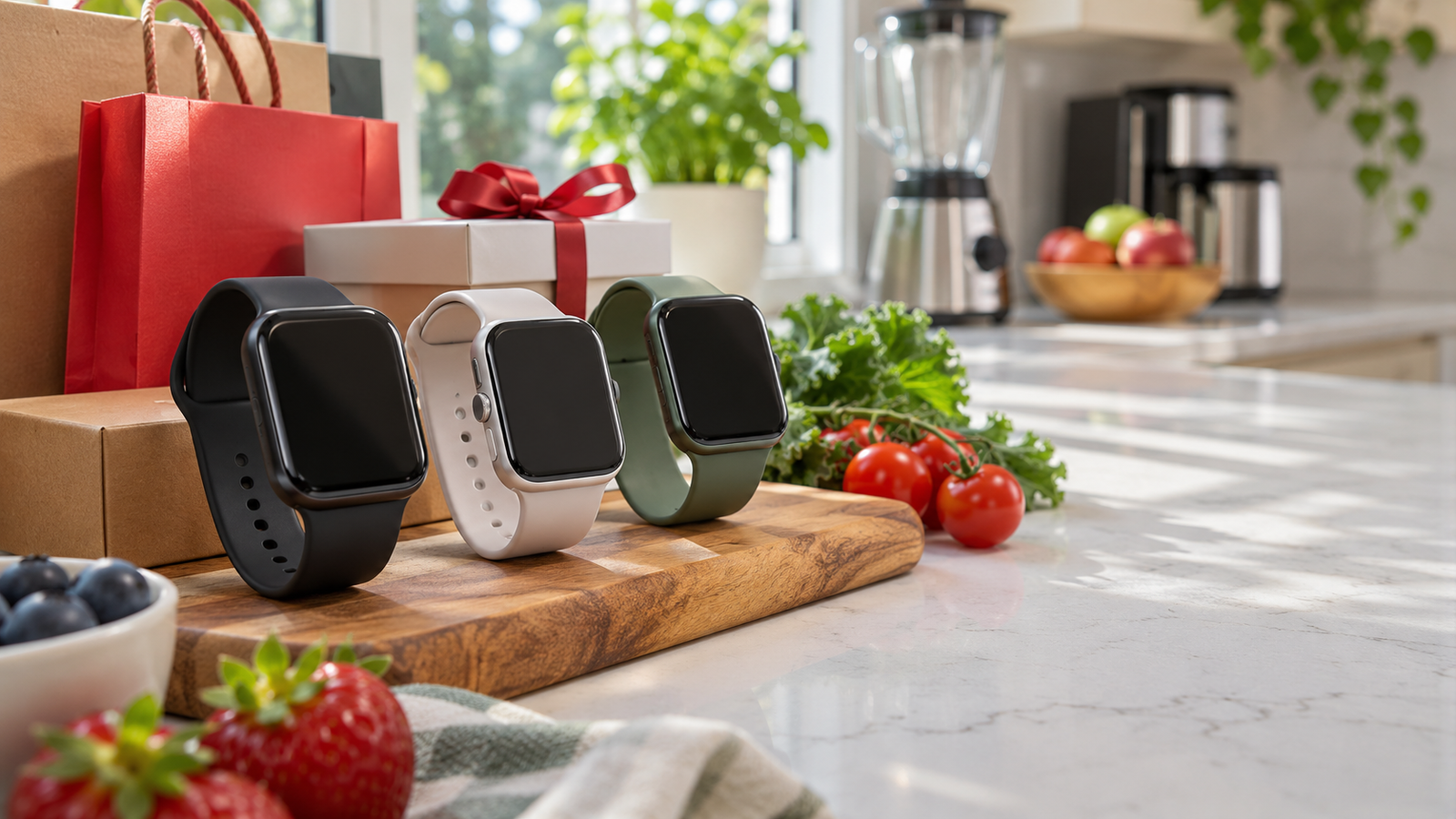
Choosing the best smartwatch under 1000 gives shoppers a wide range of options, from affordable fitness watches to premium models with advanced health tools, GPS, cellular connectivity, and polished app ecosystems. A large budget does not automatically produce the right watch. The best choice depends on your phone, preferred activities, battery expectations, comfort, and the features you will use regularly.
This guide uses a practical comparison method rather than claiming that one model is ideal for everyone. It considers official specifications from Apple, Samsung, Google, Fitbit, and Garmin, along with established independent testing approaches used by publications such as DC Rainmaker and Wirecutter. Retail prices change by country, storage configuration, case material, promotions, and cellular support, so the figures and product positions below should be treated as buying references rather than permanent price guarantees.
What Does Best Smartwatch Under 1000 Mean?
The phrase best smartwatch under 1000 generally refers to a smartwatch that costs less than 1,000 units of the relevant currency, often US dollars, while offering a useful combination of notifications, activity tracking, health features, apps, battery life, and build quality. This is a broad ceiling rather than a single price point. A watch priced at $200 may be better value for a casual user, while a $700 outdoor watch may be more suitable for someone who needs mapping, long battery life, and rugged construction.
For clarity, this article assumes a US-dollar budget before tax and focuses on mainstream consumer watches. Luxury editions, precious-metal case versions, and unusual collector models are excluded. Prices should be checked with the manufacturer or an authorized retailer before purchase.
How to Compare Smartwatches Under 1000
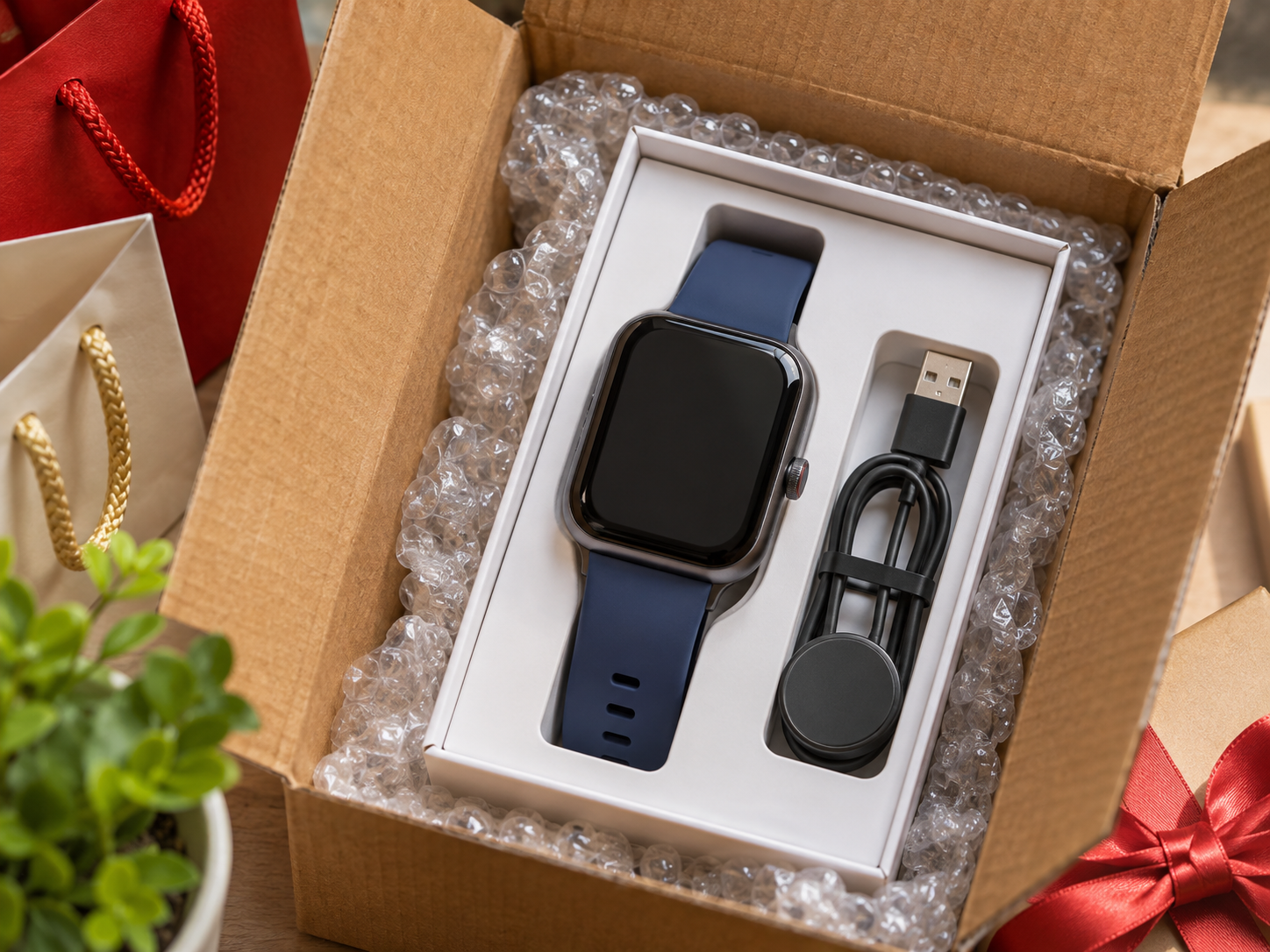
1. Check phone compatibility first
Compatibility is the most important filter. Apple Watch models are designed primarily for iPhone users. Samsung Galaxy Watch models work best with Android phones, and some health features may require a Samsung phone or Samsung Health setup. Google Pixel Watch models require an Android phone and are not designed for iPhone use. Garmin and Fitbit watches generally support both major mobile platforms, although the available features and integrations can differ.
Before comparing screens or sensors, confirm the watch works with your phone model and operating-system version. Also check whether cellular service requires a separate carrier plan. A watch that cannot pair with your phone is not a good deal at any price.
2. Match features to daily use
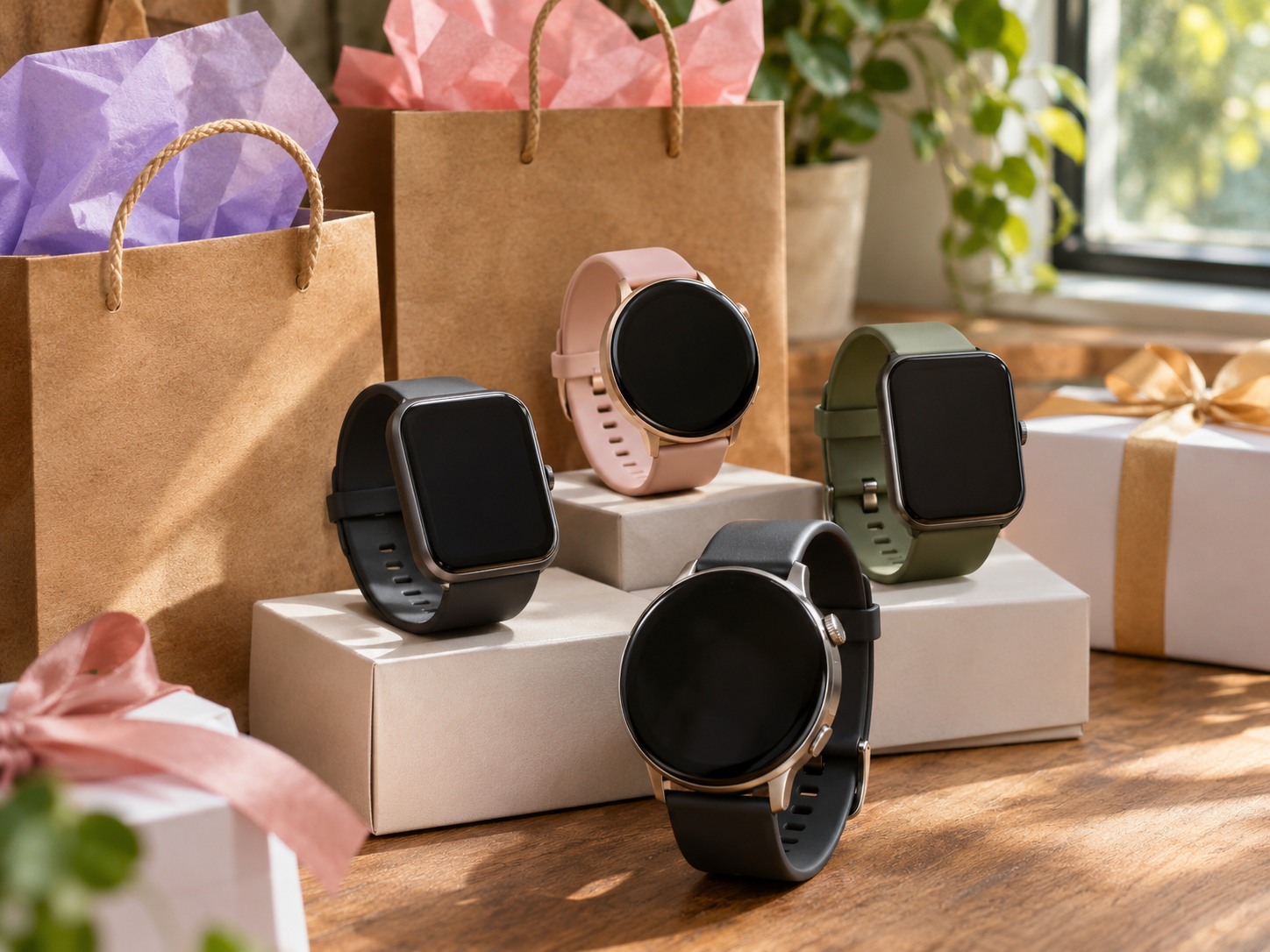
Smartwatches can provide notifications, alarms, timers, contactless payments, music controls, workout recording, navigation, sleep tracking, and emergency functions. Decide which of these are priorities. A commuter may care most about calendar alerts and payments. A runner may prioritize GPS accuracy, training metrics, and physical buttons. Someone buying a first wearable may prefer simple activity summaries and low maintenance.
3. Compare battery and charging habits
Battery claims are usually based on particular settings and usage patterns. Always-on displays, frequent GPS workouts, cellular connections, music playback, and continuous health monitoring can reduce runtime. Some watches need daily charging, while many Garmin models can last considerably longer depending on the configuration. A longer battery cycle is useful, but a short charging routine may be acceptable if you already charge a phone each night.
4. Separate wellness tools from medical equipment
Smartwatch sensors can help users notice trends in heart rate, sleep, movement, or exercise. They do not replace a doctor, clinical test, or regulated medical device. Some models offer features such as electrocardiogram recording or irregular-rhythm notifications in selected markets, but availability and regulatory clearance vary. Treat these functions as informational and follow the manufacturer’s instructions.
Best Smartwatch Options Under 1000
Apple Watch Series 10: Best for iPhone owners
The Apple Watch Series 10 is a strong general-purpose choice for iPhone users who want a slim design, a bright display, broad app support, workout tracking, notifications, and integration with Apple services. Apple’s official technical specifications describe its health, safety, connectivity, and fitness functions, but exact capabilities depend on the model, region, and paired iPhone.
Pros:
- Strong integration with iPhone, Apple Health, and Apple services.
- Wide selection of apps and watch faces.
- Useful workout, activity, safety, and notification features.
- Available in GPS and cellular configurations.
Cons:
- Not a practical choice for Android phone owners.
- Battery life is generally shorter than that of many dedicated outdoor watches.
- Some features vary by country and may require compatible services.
Choose it if you want a highly connected smartwatch for everyday use and already own an iPhone. Consider a lower-cost Apple Watch generation if the newest display or sensor updates are not important to you.
Samsung Galaxy Watch7: Best mainstream Android option
The Samsung Galaxy Watch7 is aimed at Android users who want a conventional smartwatch with Google Play access, Samsung Health integration, fitness tracking, GPS, notifications, and optional cellular connectivity. Samsung’s product documentation is the appropriate source for supported phones, health functions, water resistance conditions, and regional availability.
Pros:
- Good balance of smartwatch functions and fitness tools.
- Works naturally with Samsung phones and other compatible Android devices.
- Google Play access supports apps, payments, and music services where available.
- Multiple case sizes can make fit easier to manage.
Cons:
- Some advanced health features are limited by phone, region, or service compatibility.
- Battery performance depends heavily on display, GPS, and health settings.
- It is not intended for iPhone users.
This is a sensible choice for an Android household that wants calls, messages, exercise tracking, and app access in one device. Check the exact model number before buying because Bluetooth and LTE editions have different connectivity requirements.
Google Pixel Watch 3: Best for Google service integration
The Google Pixel Watch 3 combines a compact smartwatch design with Google applications, Fitbit activity features, notifications, and exercise tracking. It is intended for Android users and may be particularly appealing to people who already use Google services or Fitbit-compatible tools. Google’s official specifications should be used to confirm phone requirements, battery estimates, case sizes, and available health features.
Pros:
- Strong connection with Google apps and Android features.
- Fitbit tools can make activity and workout information easy to review.
- Compact styling suits users who dislike large sports watches.
- Useful safety and communication functions are built into the platform.
Cons:
- Android-only compatibility limits its audience.
- Some Fitbit capabilities may depend on a paid subscription or region.
- Battery life is not usually the main reason to choose this model over a Garmin.
Pick the Pixel Watch 3 when Google and Fitbit integration matters more than multi-day battery life or extensive outdoor navigation.
Garmin Venu 3: Best for longer battery life and fitness variety
The Garmin Venu 3 is a fitness-focused smartwatch with a color display, activity profiles, GPS, sleep-related features, training information, and smartphone notifications. Garmin’s official product page and user manual explain supported activities, sensor behavior, battery estimates, and compatibility. Independent testing from reviewers such as DC Rainmaker can help buyers understand how GPS, training, and battery claims behave in real-world use, although results vary with settings.
Pros:
- Longer battery expectations than many app-heavy smartwatches.
- Wide range of fitness and wellness features.
- Compatible with both Android and iPhone in a more flexible way than platform-specific watches.
- Useful for people who want a fitness-first device with basic smartwatch tools.
Cons:
- App selection and messaging features are not as broad as Apple or Wear OS platforms.
- Advanced training needs may be better served by Garmin’s more specialized Forerunner or Fenix lines.
- Some functions differ between Android and iPhone pairing.
The Venu 3 is a good value candidate for users who dislike frequent charging and want structured health and fitness information without buying a specialist sports watch.
Fitbit Charge 6: Best lower-cost fitness tracker alternative
The Fitbit Charge 6 is not a full smartwatch in the same sense as an Apple Watch or Galaxy Watch, but it deserves consideration when the goal is affordable health and activity tracking. It is smaller, lighter, and generally less expensive than premium smartwatches. Fitbit’s official specifications explain its supported sensors, exercise modes, battery guidance, and account requirements.
Pros:
- Lower purchase cost than most full-featured smartwatches.
- Lightweight design is comfortable for sleep and all-day wear.
- Useful tracking for steps, workouts, heart rate, and selected wellness measures.
- Can be a practical option for people who do not need a large app ecosystem.
Cons:
- Smaller screen and fewer apps than a traditional smartwatch.
- Some Fitbit features may require a subscription.
- Smartphone notification and communication features are more limited.
Choose it when fitness basics matter more than standalone apps, calls, or a large display. The money saved can be used for accessories, replacement bands, or another category of budget electronics.
Practical Steps to Choose the Right Model
- Write down your phone model. Eliminate watches that do not support it or that restrict important features on that platform.
- Choose your main purpose. Select communication and apps for a daily smartwatch, battery and training tools for fitness, or basic tracking for a lower-cost band.
- Measure your wrist. Compare the manufacturer’s case dimensions, band sizes, and weight. A watch that is too large may interfere with sleep and exercise.
- Decide whether GPS must work without a phone. Built-in GPS is useful for outdoor workouts, but it can affect battery life.
- Check subscription requirements. Review whether advanced reports, coaching, cloud storage, or cellular service create recurring costs.
- Confirm water and environmental limits. Water resistance is not the same as waterproofing. Read the manual before swimming, showering, diving, or using the watch around chemicals.
- Compare total ownership cost. Include tax, cellular fees, replacement bands, chargers, subscriptions, and possible repairs.
- Buy from an authorized seller. Confirm the return policy, warranty coverage, model number, and whether the product is new, refurbished, or imported.
Limitations of Smartwatch Comparisons
There is no universal laboratory score that determines the best smartwatch for every shopper. Battery life changes with settings. GPS performance depends on surroundings, firmware, satellite conditions, and movement. Health readings can be affected by fit, skin contact, motion, and sensor limitations. App availability changes over time, and some services differ by country.
Reviews can also disagree because testers use different phones, workouts, watch faces, and charging routines. For this reason, use official specifications to verify compatibility and supported features, then use independent reviews to understand handling, comfort, software behavior, and practical endurance. Avoid relying on a single retailer review or an unusually low marketplace price.
How This Fits Other Deals and Offers
A smartwatch purchase can be compared with other electronics deals by using the same value questions: What problem does the product solve, how often will it be used, and what ongoing costs apply? Similar checks are useful when evaluating the best budget electronics deals, home gadgets under 50, smart home devices under 100, kitchen appliances offering the best value, or trending products on Amazon.
For non-electronics categories, the method still applies but the risks change. Affordable skincare and beauty finds should be checked for ingredients, expiry information, and seller authenticity. Cheap fashion brands worth buying should be judged by fabric, construction, sizing, and return terms. Best fitness gear on sale should match the intended activity and body fit. Garden tool deals should be evaluated for warranty, replacement parts, and safe operation. Seasonal sale picks may have genuine discounts, but shoppers should compare historical or alternate seller prices instead of assuming a sale label proves value.
Brief Q&A
Is a smartwatch under 1000 worth buying?
It can be, especially if you will use fitness tracking, notifications, navigation, payments, or safety tools regularly. A cheaper model may be better value if you only need step counting and occasional workout recording.
What is the best smartwatch under 1000 for an iPhone?
The Apple Watch Series 10 is the most natural general-purpose choice for iPhone users. Garmin models can be considered when longer battery life or cross-platform support is more important than deep Apple integration.
What is the best smartwatch under 1000 for Android?
Samsung Galaxy Watch7 and Google Pixel Watch 3 are strong mainstream choices for compatible Android phones. Garmin Venu 3 is worth considering when battery life and fitness tools take priority.
Do smartwatches measure health accurately?
They can provide useful estimates and trends, but readings are not guaranteed to match clinical equipment. Use medical advice and approved medical devices for diagnosis or treatment decisions.
Should I buy a refurbished smartwatch?
A refurbished watch can offer good value if it comes from a reputable seller with a clear warranty, verified battery condition, compatible charger, and a fair return period. Avoid listings that do not identify the model, condition, or warranty terms.
Final Buying Advice
The best smartwatch under 1000 is the model that fits your phone, daily routine, wrist, and charging habits. Apple Watch Series 10 is a strong iPhone-centered option, Samsung Galaxy Watch7 suits many Android users, Google Pixel Watch 3 favors Google and Fitbit integration, Garmin Venu 3 emphasizes battery and fitness flexibility, and Fitbit Charge 6 offers a simpler lower-cost route.
Before paying, verify the current price, model generation, connectivity type, warranty, subscription terms, and regional health features. Smartwatch prices and specifications change, so treat this guide as a comparison framework rather than a promise of a particular deal.
Safety and information disclaimer: Smartwatch data is for general information and wellness tracking. It is not a substitute for professional medical advice, diagnosis, emergency services, or a regulated medical device. Follow manufacturer safety instructions and contact a qualified professional about concerning symptoms or readings.